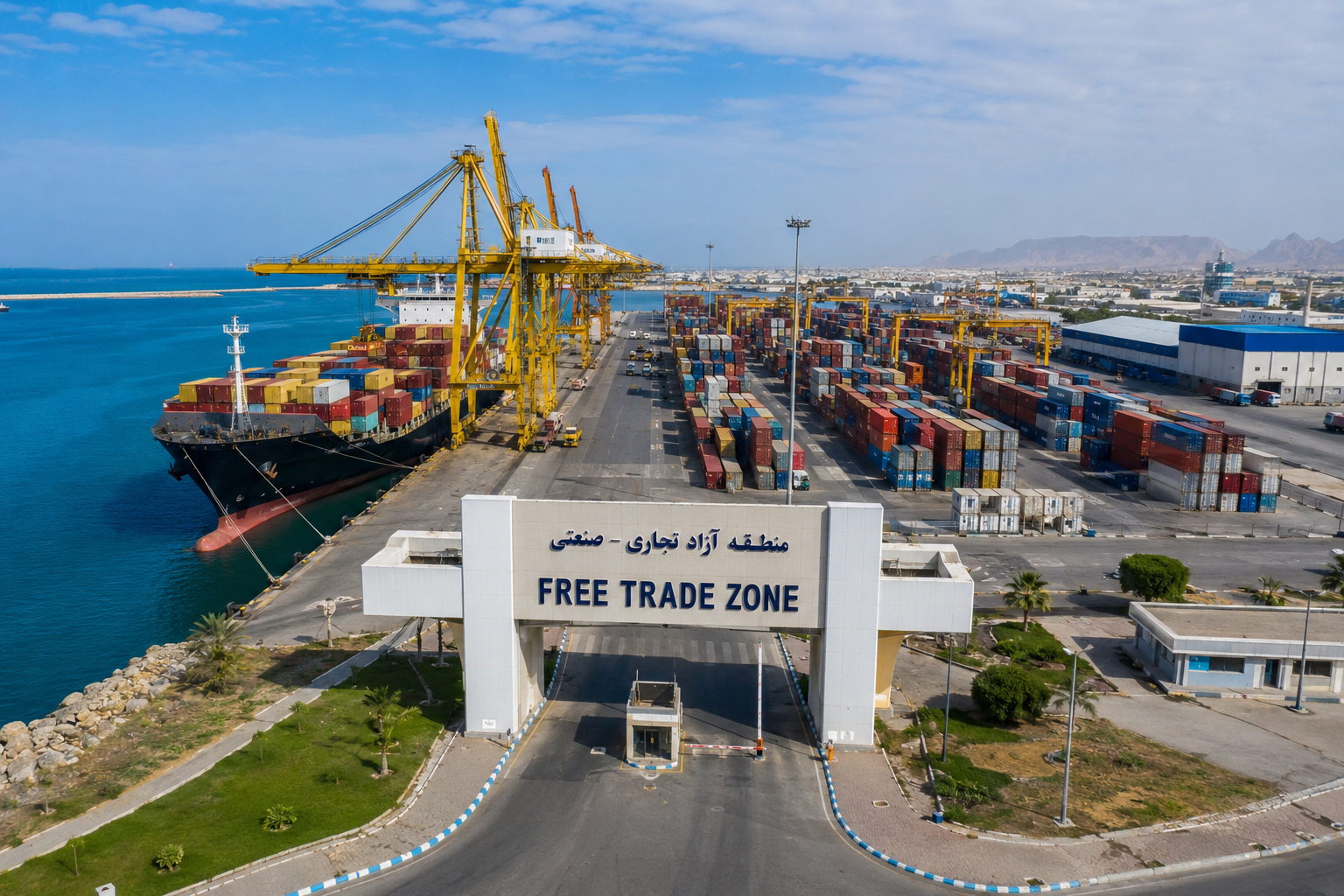
Registering a company in Iran’s Free Trade–Industrial Zones is one of the best options for investors, traders, and entrepreneurs seeking tax exemptions, simplified international trade procedures, and reduced administrative barriers. These zones were established to encourage investment, increase exports, facilitate technology transfer, and promote economic growth. As a result, the regulations governing free zones are generally more flexible than those applied in mainland Iran.
In this article, we explain the main advantages, requirements, documents, and procedures for company registration in Iran’s free zones in a clear and practical way.
What Does Company Registration in Free Zones Mean?
Registering a company in a free zone means that the legal entity is established and licensed within one of Iran’s designated Free Trade–Industrial Zones and operates under the special regulations applicable to that zone. Company registration, trademarks, and industrial or intellectual property matters are handled by the organization governing each specific free zone.
Foreign nationals are also permitted to establish companies in free zones, including companies with 100% foreign ownership.
Why Register a Company in a Free Zone?
Iran’s free zones provide several important advantages for businesses and investors.
1. Long-Term Tax Exemptions
Individuals and legal entities operating in free zones are exempt from income tax and asset tax for up to 20 years from the date stated in their operating license.
This exemption is particularly valuable for startups, manufacturing companies, and businesses requiring significant initial investment.
Example:
A manufacturing company established in the Chabahar Free Zone can reinvest a substantial portion of its profits into expanding production lines or increasing exports during the tax exemption period.
2. Customs Exemptions and Easier Import Procedures
Goods, raw materials, machinery, equipment, and production lines imported into free zones are generally exempt from customs duties. Production machinery may also be imported without restrictions regarding the year of manufacture.
This significantly reduces setup costs and accelerates the importation process.
3. Advantages for Manufacturers
If goods are produced or processed within a free zone, only the foreign raw materials or imported components used in the product are subject to customs duties when entering mainland Iran. The added value created within the free zone and locally sourced materials remain exempt from customs duties.
This creates substantial cost savings for manufacturing and assembly businesses.
4. Simplified International Trade
Commercial transactions between free zones and foreign countries are exempt from many export and import regulations after customs registration. This simplifies export, import, and transit operations.
5. 100% Foreign Ownership
One of the most attractive benefits for foreign investors is the ability to establish companies with full foreign ownership. Unlike some jurisdictions that require a local partner, Iran’s free zones allow complete foreign control of the company.
6. Residency and Employment Facilities for Foreign Nationals
Foreign nationals may enter and stay in free zones without a visa for up to six months. In addition, work permits can be issued for foreign managers, specialists, and their family members.
Foreign investors may also benefit from investment protection laws and may transfer both capital and profits generated from economic activities abroad.
7. International Banking and Financial Services
Free zones allow the establishment of banks, financial institutions, exchange offices, insurance companies, and even foreign bank branches. Offshore banking and foreign currency transactions are also permitted.
This is particularly beneficial for businesses involved in international trade or foreign partnerships.
Major Free Zones in Iran
The main Free Trade–Industrial Zones currently operating in Iran include:
- Kish Free Zone
- Qeshm Free Zone
- Chabahar Free Zone
- Aras Free Zone
- Anzali Free Zone
- Arvand Free Zone
- Maku Free Zone
- Imam Khomeini Airport Free Zone
Each zone has its own strategic advantages. For example:
- Kish and Qeshm are popular for tourism, trade, and service industries.
- Chabahar offers strategic access for international transit and maritime trade.
- Aras and Maku are ideal for export-oriented and industrial activities due to their proximity to international borders.
Types of Companies Commonly Registered in Free Zones
Several types of legal entities may be established in free zones, but the most common structures are:
- Limited Liability Company (LLC)
- Private Joint Stock Company (PJSC)
Foreign investors typically choose one of these two structures.
General Procedure for Company Registration in Free Zones
Although procedures may vary slightly from one zone to another, the general process usually includes the following steps:
Step 1: Choose the Company Type and Business Activity
The founders must determine the company structure, business activities, capital, and management framework.
Step 2: Obtain an Economic Activity License
Many free zones require investors to obtain an economic activity license before company registration.
Step 3: Prepare Corporate Documents
The articles of association, application forms, declarations, and meeting minutes must be prepared and signed according to applicable regulations.
Step 4: Submit Documents to the Free Zone Authority
Documents are submitted through the registration office or online system of the relevant free zone organization.
Step 5: Final Review and Registration
After reviewing the documents and approving the company name, the company is officially registered and the incorporation certificate is issued.
Required Documents for Registering a Limited Liability Company (LLC)
The following documents are generally required:
- Original drug test certificate for the Managing Director
- Economic activity license
- Two signed copies of the company application form
- Two signed copies of the company agreement
- Two signed copies of the articles of association
- Certified copies of shareholders’ identification documents
- Criminal background clearance certificates for board members
- Minutes of the founders’ meeting and board meeting
- Special permits if the business activity requires licensing
- Power of attorney if registration is handled by a lawyer
- Signed declarations confirming that board members have no legal restrictions or criminal records
Required Documents for Registering a Private Joint Stock Company (PJSC)
The required documents usually include:
- Original drug test certificate for the Managing Director
- Economic activity license
- Signed company declaration forms
- Articles of association
- Identification documents of shareholders and inspectors
- Criminal background clearance certificates for board members and inspectors
- Minutes of the founders’ meeting and first board meeting
- Relevant permits for regulated activities
- Bank certificate confirming deposit of at least 35% of the company capital
- Power of attorney if registration is conducted by a lawyer
- Signed declarations by board members and inspectors regarding legal eligibility and acceptance of their positions
Registration of Foreign Branches or Representative Offices
Foreign companies may also establish branches or representative offices within Iran’s free zones. In such cases, the applicant must submit the company’s incorporation documents from its home country together with officially certified Persian translations.
The registration application should generally include:
- Full company name and details
- Type of company and business activities
- Registered address abroad
- Nationality of the company
- Company capital
- Latest financial statements
- Registration authority, registration number, and registration date in the home country
- Intended activities within Iran
- Details of existing branches or representatives in Iran
- Address for legal notifications in Iran
- Details of authorized representatives and managers
- Power of attorney documents where applicable
Important Considerations Before Registering a Company
Before proceeding with company registration, investors should consider several important points.
Choosing the Right Free Zone Is Critical
Each free zone offers different advantages depending on the nature of the business, logistics requirements, target market, and development plans.
Certain Activities Require Special Licenses
Activities such as banking, insurance, tourism, pharmaceuticals, education, and financial services may require additional governmental approvals.
Company Registration Alone May Not Be Sufficient
In many cases, obtaining an operational or economic activity license is required even after the company has been registered.
Conclusion
Registering a company in Iran’s free zones can provide valuable opportunities for tax optimization, international trade, and business expansion. Benefits such as customs exemptions, simplified regulations, foreign ownership rights, and investment protections make these zones attractive to both domestic and international investors.
However, selecting the appropriate company structure, choosing the right free zone, and properly preparing the required documents are all essential for a successful registration process. Seeking professional legal advice before incorporation can help avoid future legal and administrative complications.

Leave A Comment